Looking for a downtown that feels active without feeling hectic? Historic Downtown Frankfort offers that rare balance. If you are drawn to walkable streets, local shops, seasonal events, and homes with character nearby, this part of Frankfort gives you a lifestyle that feels both connected and grounded. Let’s take a closer look at what everyday living here can actually feel like.
Why Historic Downtown Frankfort Feels Different
Historic Downtown Frankfort has deep local roots. Local history sources place the village’s founding in 1855, with incorporation following in 1879, and the original plat was created for both commercial and residential development. That early pattern still shapes the area today.
What stands out now is how the historic core still functions as a true village center. According to the village’s historic-district plan, Breidert Green serves as the civic heart of downtown, while the Old Plank Road Trail runs through the middle of the retail core. Streets, sidewalks, and nearby residential connections help create an easy daily flow between home, errands, and social stops.
The same planning documents note relatively light traffic and indirect access from main arterials. In real life, that supports a slower pace and a more walkable feel. You are not just passing through downtown. You can actually spend time in it.
Daily Life in the Downtown Core
One of the biggest draws of Historic Downtown Frankfort is convenience with personality. DowntownFrankfort.com describes the district as a destination for boutique shopping, dining, entertainment, and year-round events. That mix helps downtown feel useful on an ordinary Tuesday, not just fun on a weekend.
Current downtown listings show a blend of coffee spots, restaurants, specialty retail, and gift shops. Businesses such as Grounded Coffee Bar, Francesca’s Fortunato Restaurant, Trail’s Edge Brewing Company, The Wine Thief Bistro & Specialty Wines, Azul Boutique, Parker James Boutique, This & That Gifts, and The Family Hearth General Store create a compact environment where you can stack multiple stops into one outing.
That matters if you value ease in your routine. You can picture grabbing coffee, browsing a shop, meeting friends for dinner, or taking a short walk through the district without needing a big production. For many buyers, that kind of day-to-day accessibility adds real lifestyle value.
A Walkable, Connected Layout
The historic-district plan highlights something buyers often notice right away: the downtown core feels cohesive. Part of that comes from planning decisions that expect newer buildings to maintain the scale and character of the surrounding historic setting. Even as the area evolves, the visual rhythm tends to stay consistent.
That gives downtown a more settled feel. Instead of a patchwork of unrelated spaces, you get a district that reads as intentional and connected. For people who care about atmosphere, that can make a big difference in how the area feels over time.
Breidert Green and the Community Rhythm
Breidert Green is more than an open space in the center of town. It acts as a gathering point that helps define daily and seasonal life in Historic Downtown Frankfort. When a downtown has a central green that people actually use, it often becomes part of how the area builds community.
Concerts on the Green are held there on Sunday evenings, with free admission and public parking available in several lots. That kind of recurring event gives the district a reliable social rhythm. It is not just a retail center. It is also a place where people come together regularly.
The Chamber’s calendar also highlights events like the Frankfort Fall Festival, Wine & Ale Walk, Midnight Madness, and the Bubbly & Chocolate Walk. The Fall Festival alone draws more than 300 artisans during Labor Day weekend. Taken together, these events support the idea that downtown functions as a year-round gathering place.
What That Means for Everyday Living
If you live near downtown, these events can become part of your normal routine rather than a special trip. You may head out for a concert, a seasonal shopping event, or a festival stroll without much planning. That kind of built-in activity is a major reason some buyers prioritize homes near established downtown districts.
At the same time, because the area is designed around a smaller-scale historic core, the experience tends to feel more intimate than a large commercial corridor. You get activity, but you also get a sense of place. That balance is a big part of downtown Frankfort’s appeal.
Historic Character Beyond the Storefronts
Historic Downtown Frankfort is not only about shops and events. It also carries visible ties to local history. The Frankfort Area Historical Society museum is located right in downtown at 132 Kansas Street, and the society offers walking tours focused on historic buildings and local stories.
For residents, that creates another layer of connection. You are not just living near a business district. You are living near a place with a documented story and preserved identity. That often matters to buyers who want a home setting that feels established and distinct.
This historic context also helps explain why the area feels cohesive. The village’s planning approach aims to preserve the scale and overall character of the historic urban fabric, even when updates or infill are added. In practical terms, that means change tends to happen with the surrounding environment in mind.
Homes Near Downtown Frankfort
The housing story around downtown Frankfort is not one-size-fits-all. The village’s historic-district plan describes the broader area as a mix of residential and commercial uses, with the H-1 historic district surrounded by single-family residential districts. That gives buyers a range of nearby living options depending on what kind of space and setting they want.
The same plan also identifies corridors like White Street and Nebraska Street as places where medium-density residential, townhomes, condos, live-work spaces, and mixed-use infill can fit in non-historic settings. So if you are exploring the downtown area, you may find both established homes and more flexible housing formats nearby.
Overall, the picture is one of preserved small-town scale paired with selective growth. That can appeal to buyers who want character and convenience without committing to a single housing style.
Common Home Style Features
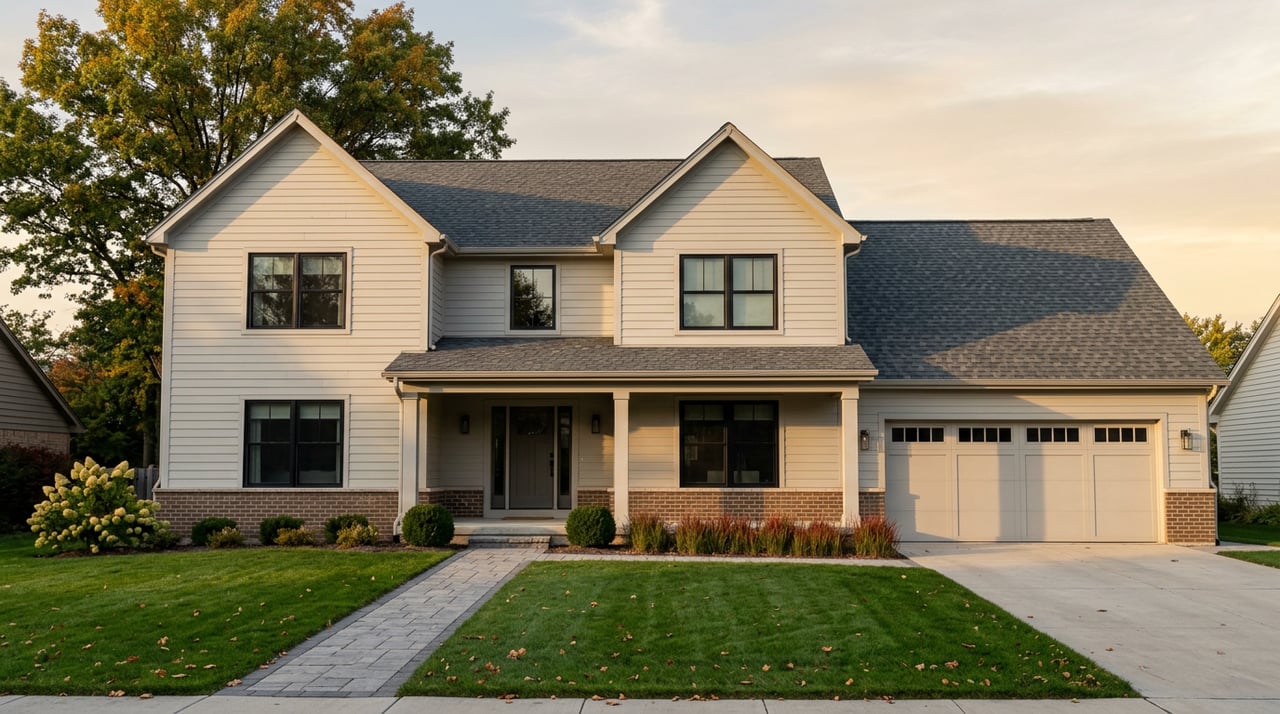
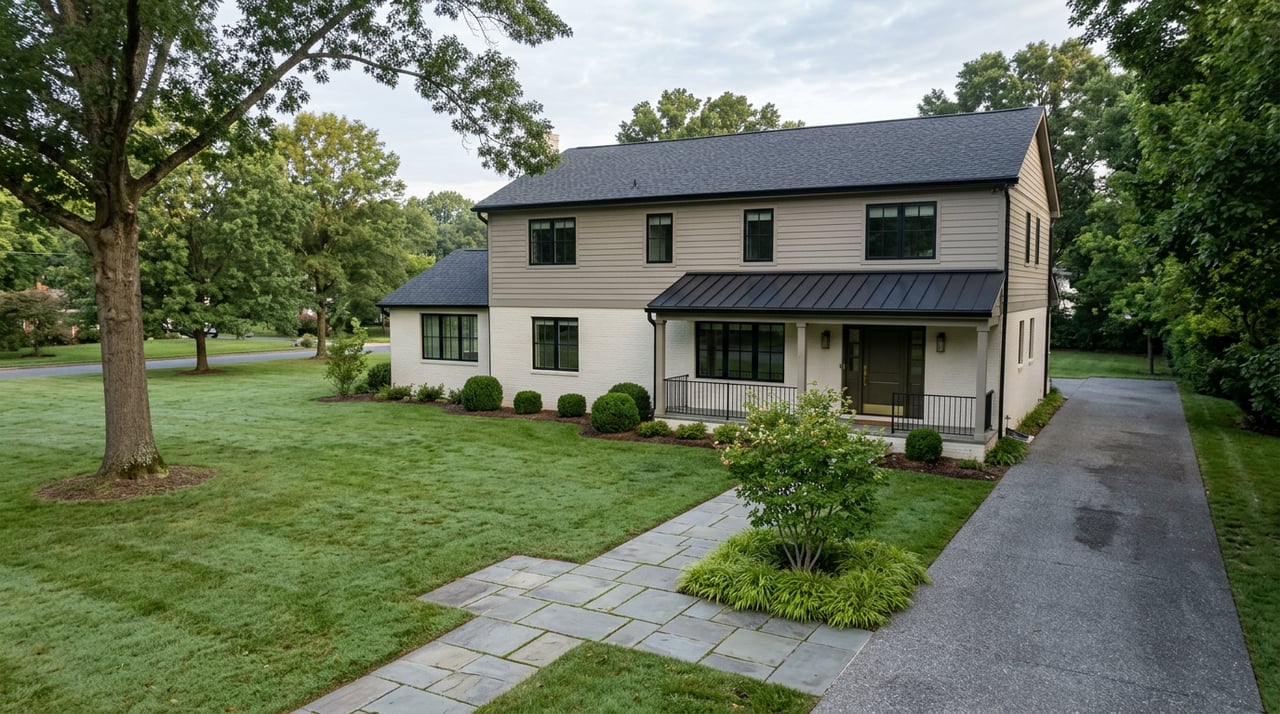
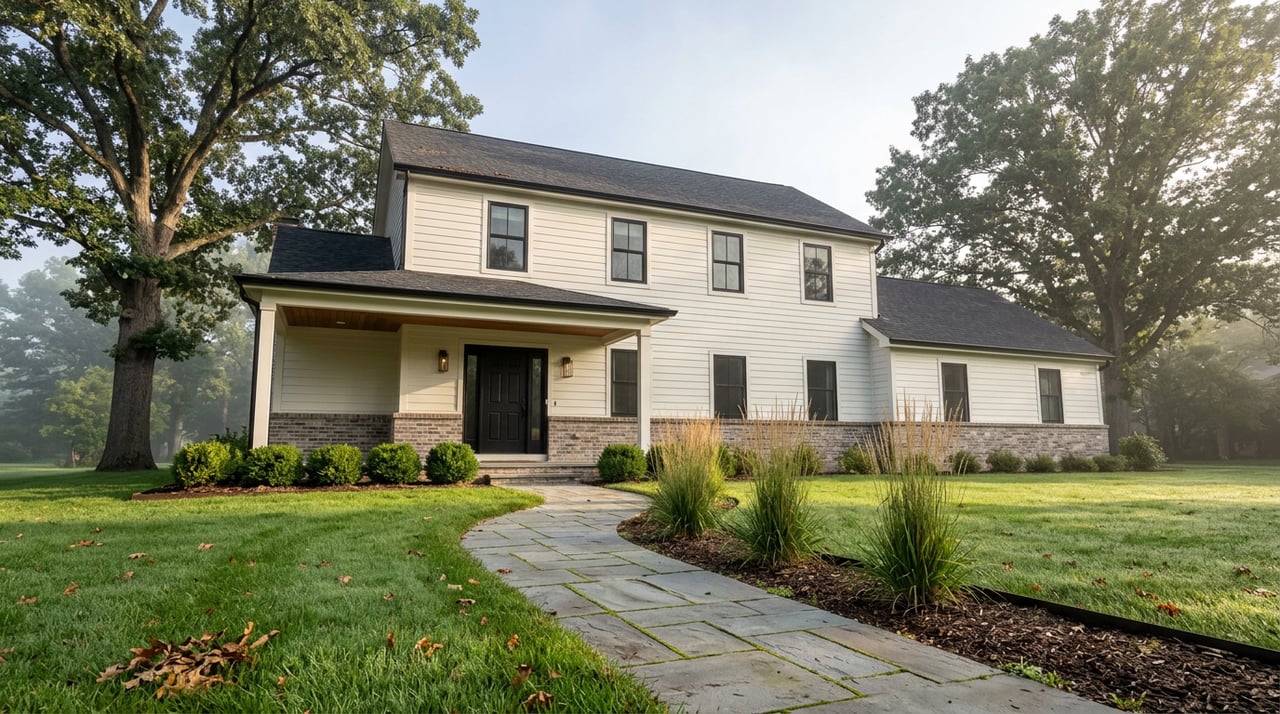
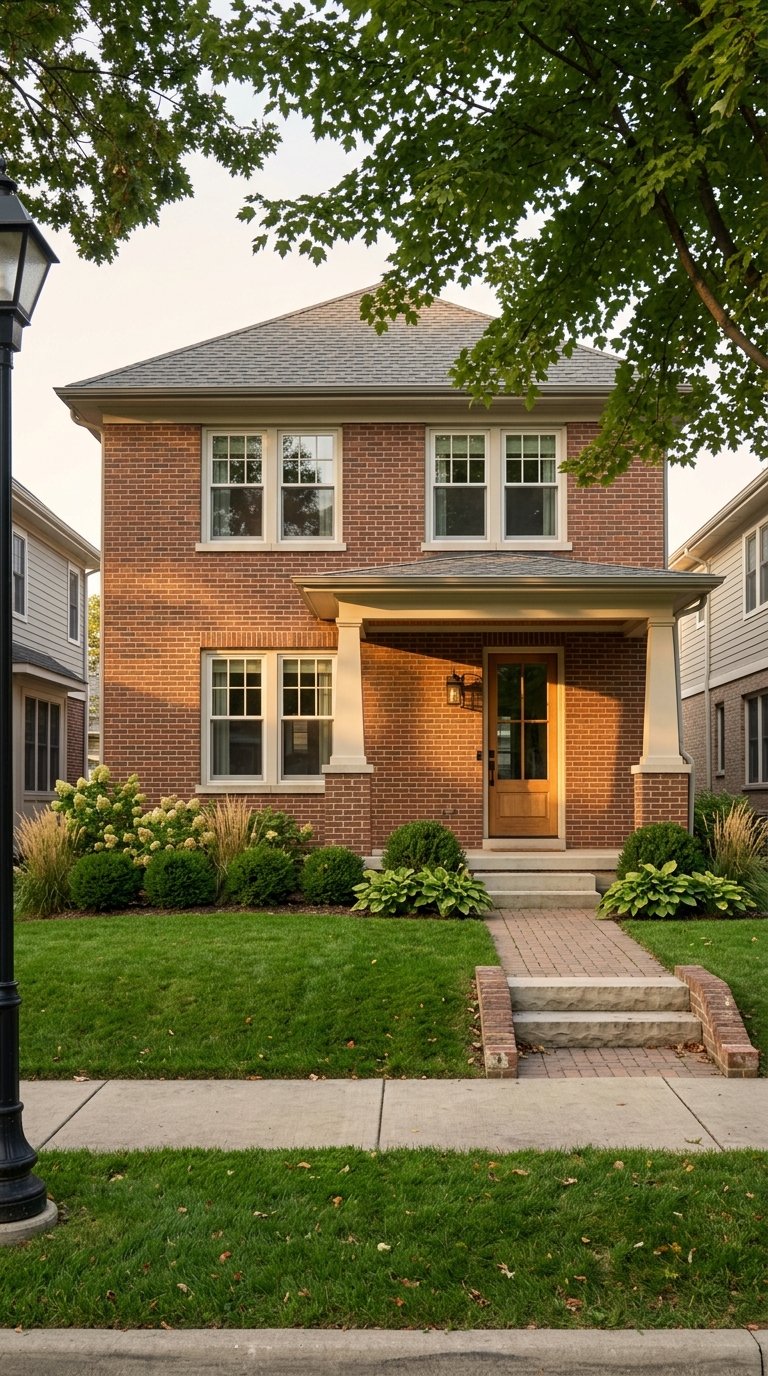
Frankfort’s residential design guidelines reference several late-19th- and early-20th-century styles, including Victorian, Colonial Revival, Craftsman, and American Foursquare. Common features include covered front porches, low-pitched or hipped roofs, wide eaves, dormers, and double-hung windows.
For buyers, that means homes near downtown may offer architectural details that feel more distinctive than standard subdivision construction. Even when you are not buying a historically designated property, you may still find design elements that give the area warmth and personality.
If your priorities include curb appeal, established streetscapes, and homes with visual character, downtown-adjacent Frankfort deserves a closer look. Those details often shape the living experience as much as square footage does.
Understanding the Market Snapshot
If you are considering a move near Historic Downtown Frankfort, it helps to view pricing data as directional rather than absolute. Redfin reported a March 2026 median sale price of $618,000 and median days on market of 49. Zillow estimated an average home value of $487,132, with homes pending in around 11 days.
Those figures are not identical because they use different methodologies. Still, they offer a useful snapshot of a market where values and pace can vary by property type, location, and condition. In an area with a mix of historic character, nearby single-family neighborhoods, and selective infill, that variation is not unusual.
This is where local strategy matters. If you are buying, you want to compare options carefully and understand how lifestyle location, home style, and condition affect value. If you are selling near downtown, presentation and positioning can play a major role in how your property stands out.
Who Downtown Frankfort Fits Best
Historic Downtown Frankfort often appeals to buyers who want more than just a house. It can be a strong fit if you value local character, a slower-paced downtown environment, and easy access to dining, events, and trails. It also works well for people who want a neighborhood experience that feels connected to a visible civic center.
That does not mean every buyer will want the same thing. Some people prioritize quiet residential blocks near downtown, while others want easier access to the core itself. The good news is that the surrounding area includes a mix of housing settings, which gives you room to align your home search with your routine and goals.
A Strategic Way to Evaluate the Area
When you tour homes near Historic Downtown Frankfort, look beyond the listing photos. Pay attention to how easily you can move between home and downtown, how the streets feel at different times of day, and which amenities would realistically become part of your week. Lifestyle fit often becomes clearer when you think in terms of routine, not just features.
If you are selling in or near downtown, think about what buyers are really purchasing here. They are often responding to atmosphere, convenience, and character as much as the property itself. Strong presentation and clear positioning can help tell that story in a way generic marketing cannot.
If you are thinking about buying or selling near Historic Downtown Frankfort, working with a team that understands both market strategy and lifestyle positioning can make the process feel much more intentional. For guidance tailored to your goals, connect with Randi Quigley.
FAQs
What is everyday life like in Historic Downtown Frankfort?
- Everyday life in Historic Downtown Frankfort centers on walkable access to shops, dining, community events, Breidert Green, and the Old Plank Road Trail, all within a slower-paced historic core.
What kinds of businesses are in Downtown Frankfort?
- Downtown Frankfort includes a mix of coffee shops, restaurants, boutiques, gift stores, and specialty businesses, creating a compact area where errands and social outings can overlap.
What types of homes are near Historic Downtown Frankfort?
- Housing near downtown includes nearby single-family residential areas, with some corridors identified for townhomes, condos, live-work spaces, and mixed-use infill in non-historic settings.
What architectural styles are common near downtown Frankfort?
- Common styles referenced in Frankfort’s design guidelines include Victorian, Colonial Revival, Craftsman, and American Foursquare, often with features like porches, dormers, wide eaves, and double-hung windows.
Are there events in Historic Downtown Frankfort throughout the year?
- Yes. The downtown area hosts recurring events such as Concerts on the Green, the Frankfort Fall Festival, Wine & Ale Walk, Midnight Madness, and Bubbly & Chocolate Walk.
How should you interpret the Frankfort housing market data?
- Market figures should be treated as directional snapshots because sources use different methods, so pricing and pace can vary depending on property type, location, and condition.