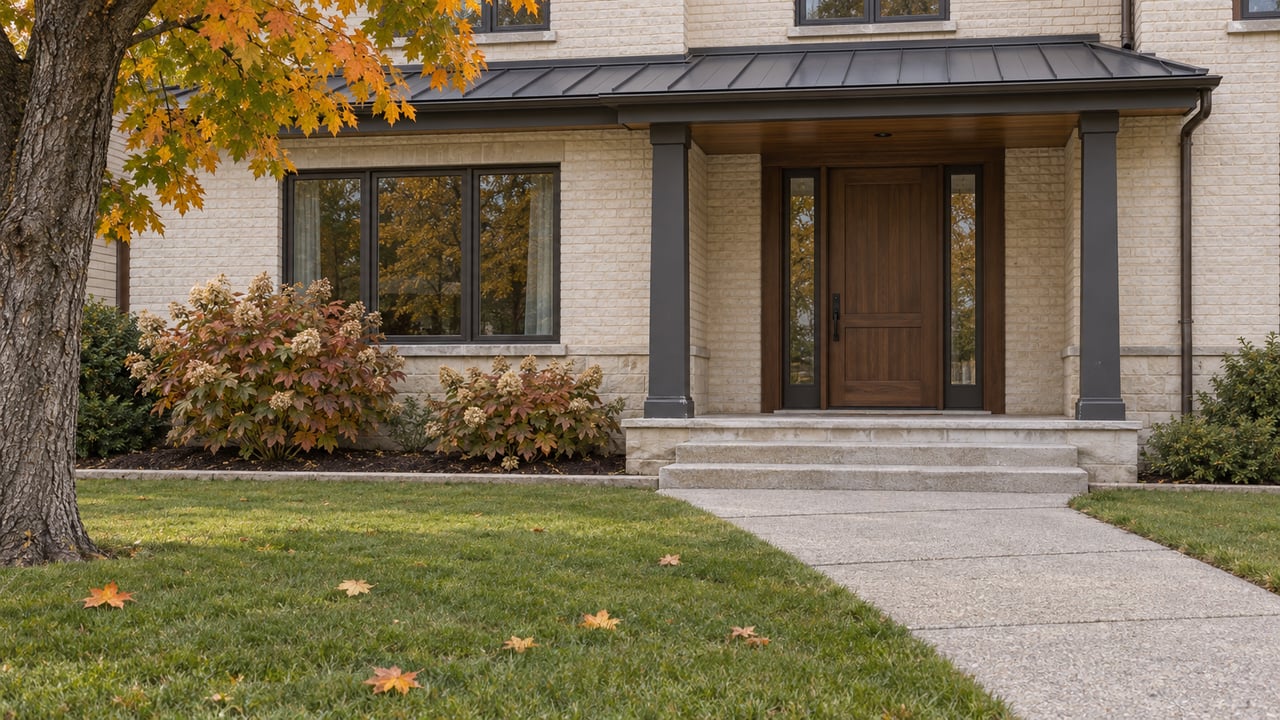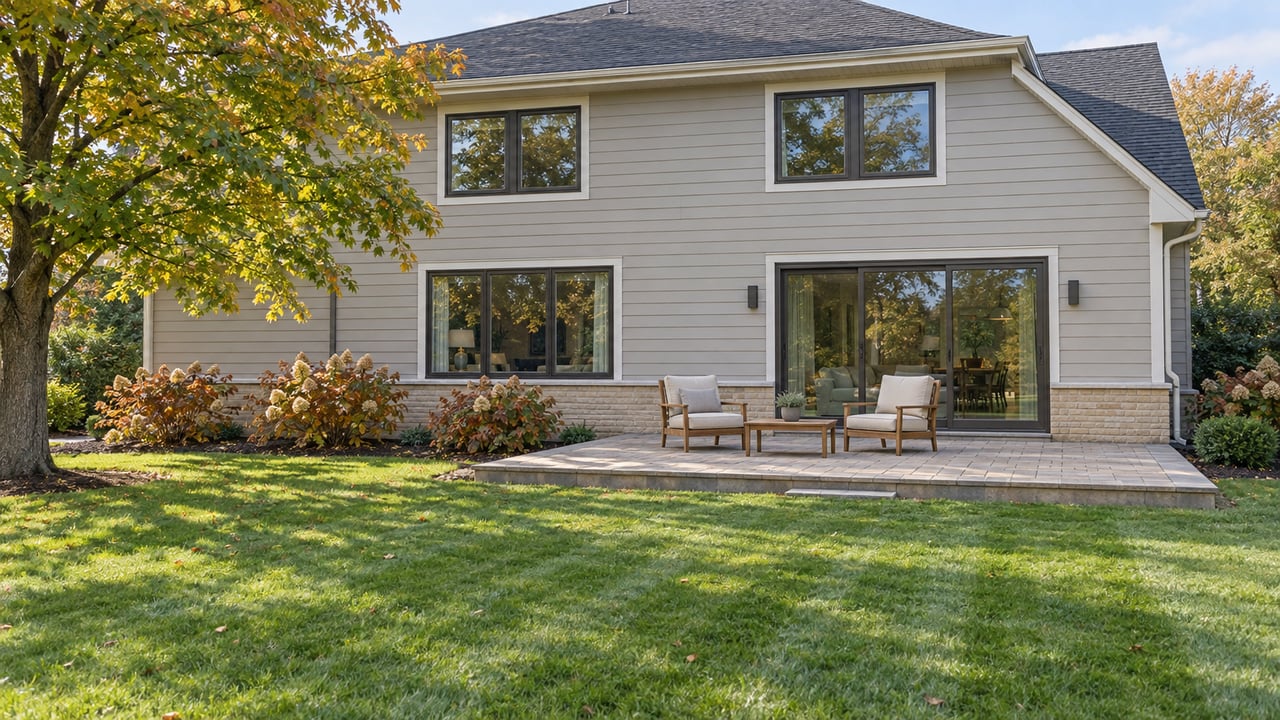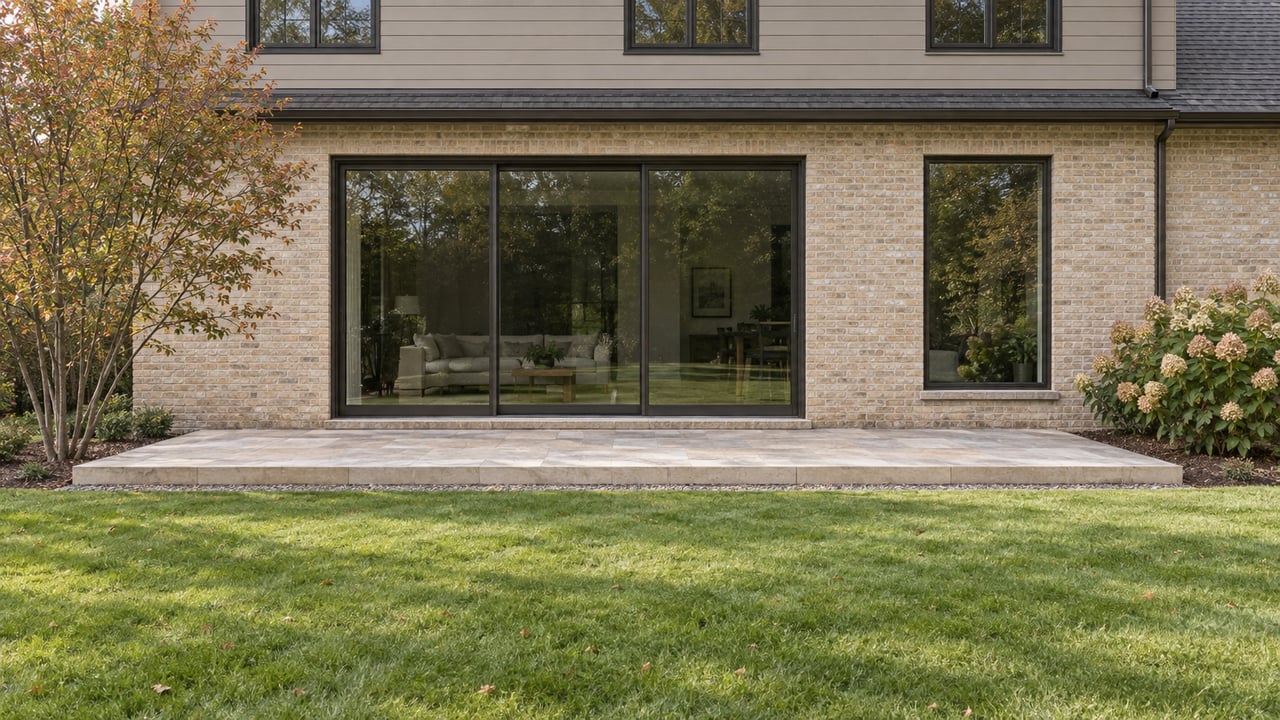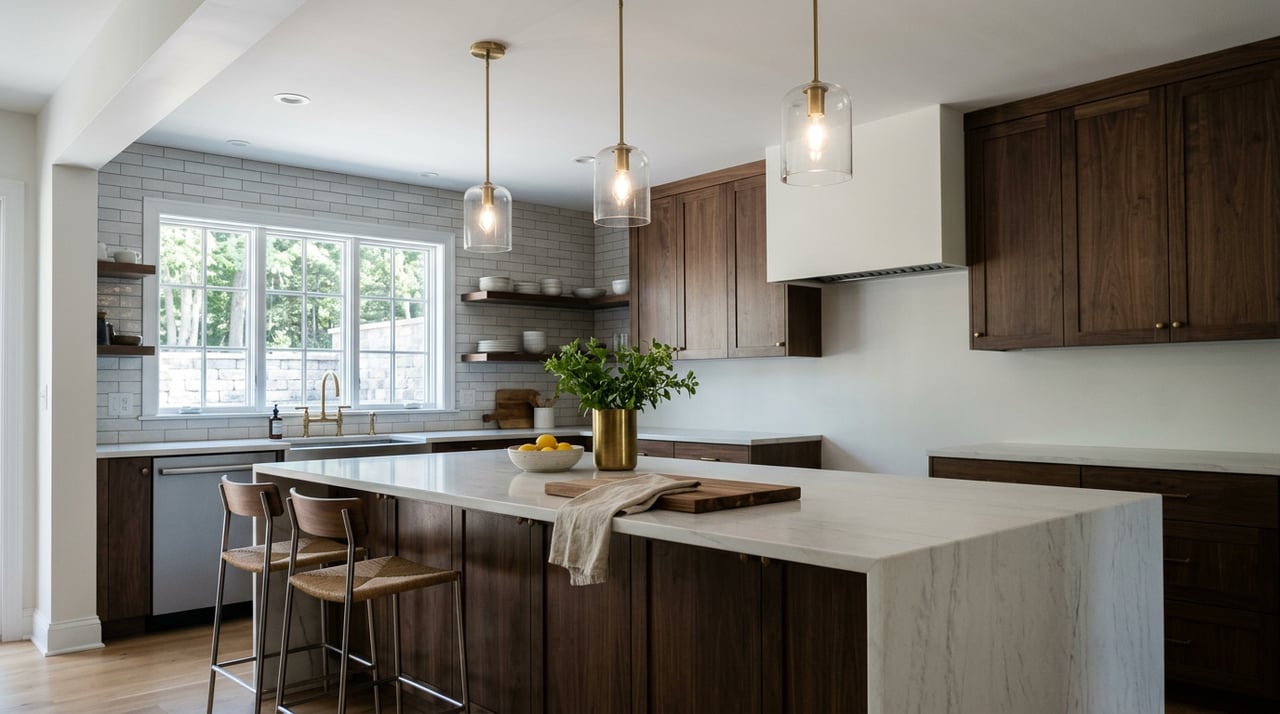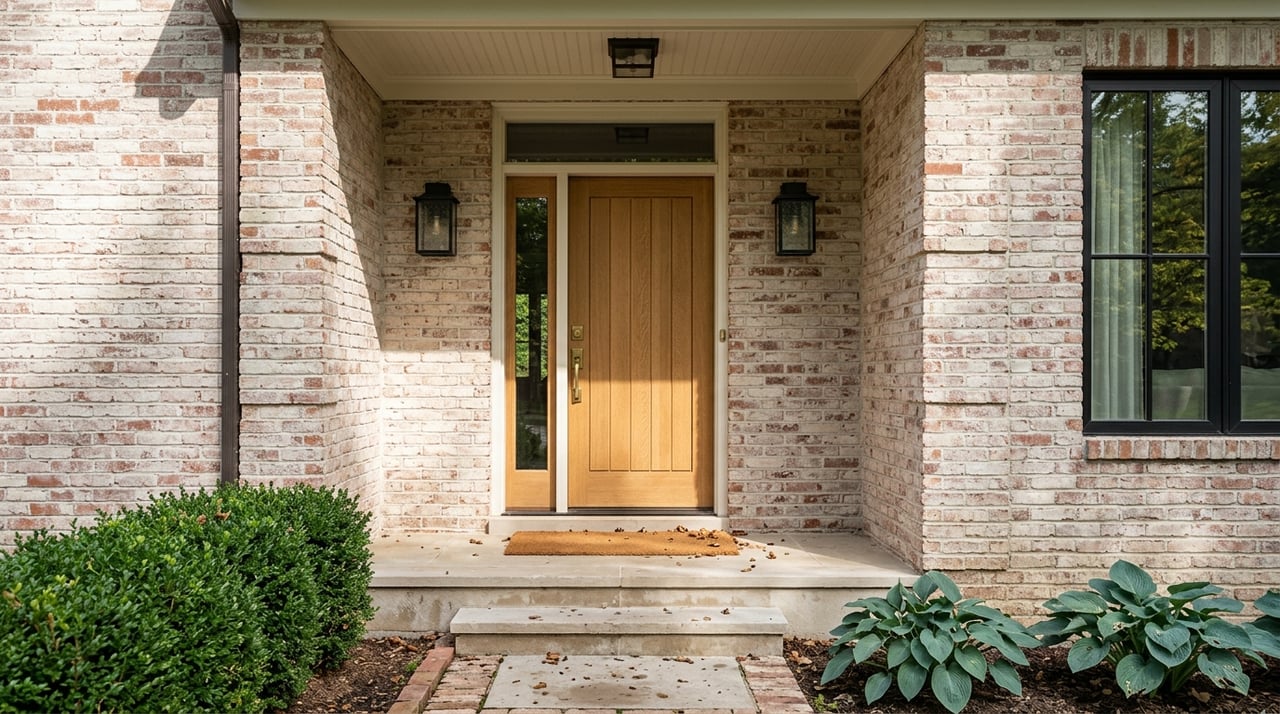
If you are trying to choose between a home with history and a home with newer systems, Frankfort makes that decision especially interesting. This village offers both a traditional downtown core tied to its 1855 roots and newer subdivisions shaped by more recent planning. When you understand how each option lives day to day, you can make a smarter choice for your lifestyle, budget, and long-term goals. Let’s dive in.
Frankfort gives you both options
Frankfort is not a place where “old” and “new” sit in totally separate worlds. The village was officially founded in 1855 and incorporated in 1879, and the historic core still reflects that early layout and character. At the same time, much of Frankfort’s overall housing stock is relatively recent by suburban standards.
According to CMAP’s 2025 local housing profile, the median year built in Frankfort is 2000, and 49.5% of housing units were built in 2000 or later. The same profile reports that 95.6% of the village’s housing units are single-family detached homes. That means even though the historic district draws attention, the broader village already leans newer.
Historic homes in Frankfort
The historic core has a clear identity
Frankfort’s historic resources survey covers the H-1 Historic District and the original 1855 plat. The village’s downtown residential design guidelines were created to preserve the area’s character while still allowing rehabilitation, alteration, and carefully managed new development. In practical terms, that means the historic core is not just older. It is an area where design and preservation matter.
The guidelines favor homes that read as one historic style instead of a mix of unrelated forms. Planning materials identify styles such as Victorian, Colonial Revival, Craftsman, American Foursquare, American Bungalow, and Folk Victorian. Features like dormers, multi-pane windows, columns, railings, and original doors and windows are encouraged where possible.
Historic charm often means stronger character
If you are drawn to architectural detail, the historic core may feel more personal and distinctive. Homes in this area are often valued for original design elements and a streetscape that feels tied to the village’s earlier development pattern. Even corner lots receive special attention, with importance placed on the street-facing side elevation, not just the front of the home.
This matters because the appeal is about more than the house itself. It is also about how the home fits into the block, the neighborhood rhythm, and the broader village identity. For many buyers, that kind of character is hard to recreate.
Historic living can bring more upkeep
The trade-off is that older homes often ask more from you. Frankfort’s guidelines emphasize retaining or replacing features like original doors, windows, porches, rooflines, and masonry in ways that respect the home’s style. If you enjoy preservation and thoughtful updates, that can be rewarding. If you want lower maintenance and fewer design considerations, it may feel like extra work.
Lot configuration can also be different in the historic core. Some downtown properties have faced lot-size challenges and variation requests, and planning materials show that lot dimensions can be tighter or more constrained than what many buyers expect in newer suburban neighborhoods. Garages are also encouraged not to dominate the front-facing facade, with alley-oriented garages preferred where possible.
Newer builds in Frankfort
Newer homes are a major part of the market
In Frankfort, newer construction is not a niche category. It is a meaningful part of the local housing supply. With nearly half of housing units built in 2000 or later, many buyers will naturally find themselves comparing newer subdivisions, recent infill projects, and homes with more current layouts.
That can be appealing if your priorities include a more predictable floor plan, newer materials, and less concern about preserving original features. For buyers who want efficiency and a more straightforward ownership experience, this side of the market can make a lot of sense.
New subdivisions are planned, not random
Recent approvals in Frankfort show that newer-build communities are often carefully designed. Abbey Woods North was planned as a 25-lot single-family detached subdivision on 18.31 gross acres, with 13.18 net acres, five common area lots, a street extension, and a cul-de-sac. Linden Grove was approved as an 8-lot subdivision with common outlot space, a public bench, sidewalks, and design requirements tied to the village’s architectural standards.
That last point is important. In Frankfort, newer does not always mean generic. Linden Grove required each home to use one of six architectural styles from the downtown design guidelines and include a masonry element, showing how new construction can still be shaped to fit village context.
Newer homes often come with more rules
Buyers sometimes assume newer homes offer more freedom, but that is not always true. In subdivisions like Linden Grove, covenants were created to keep the area desirable, attractive, uniform, and suitable in architectural design and use. Frankfort also has anti-monotony rules that state no two substantially similar front elevations should appear within three lots on either side of a subject property.
That can be a positive if you value consistency and cohesive streetscapes. It can be a drawback if you want complete flexibility over future exterior changes. Newer-build living often shifts the question from historic preservation to HOA covenants, architectural review, and subdivision-wide standards.
Walkability versus predictability
Historic areas support a walk-to-things lifestyle
One of the biggest lifestyle differences comes down to daily rhythm. Frankfort’s historic core offers access to places and experiences that help the area feel more connected. The Old Plank Road Trail is a 22-mile paved rail-trail that runs through Frankfort and links several south suburban towns.
Downtown’s Breidert Green also hosts recurring events such as concerts, movies, country market programming, and seasonal gatherings. If you want the ability to enjoy local events and a more walk-to-things environment, the historic core may align better with how you want to live.
Newer subdivisions can feel more structured
Newer neighborhoods often offer a more planned and predictable setting. You may find clearer subdivision layouts, common areas, sidewalks in some developments, and more uniform exterior presentation. For some buyers, that creates a sense of order that feels easy to manage and easy to understand.
This is why the real choice in Frankfort is often not simply old versus new. It is more about character-rich and walkable versus newer and more planned. Neither is automatically better. The right fit depends on how you want your home to function in everyday life.
How to decide what fits you best
Choose historic if you value character
A historic-core home may be the stronger fit if you want:
- Architectural detail and original design character
- A home tied to Frankfort’s early village identity
- Better access to downtown events and the Old Plank Road Trail
- A streetscape shaped by preservation-minded design
- A home that feels distinctive rather than standardized
This path often works best for buyers who see a house as more than square footage. If you care about setting, style, and long-term charm, historic living can offer something newer builds may not fully replicate.
Choose newer if you value ease
A newer-build home may be the stronger fit if you want:
- A more current floor plan and overall layout
- Less focus on preserving original materials and details
- A more uniform neighborhood setting
- Subdivision planning with common areas or sidewalks in some cases
- A homeownership experience that feels more predictable
This option often appeals to buyers who want clean execution, simpler maintenance expectations, and a home that supports a busy schedule without as many preservation decisions.
Frankfort is not forcing an either-or choice
One of the most interesting things about Frankfort is that the village itself does not treat history and growth as opposites. Its 2040 Comprehensive Plan supports adaptive reuse, historic preservation, and strategic infill development downtown. That means some newer projects are still expected to reflect historic styles and materials so they fit the village context.
For you as a buyer, that creates a more nuanced market. You are not just deciding between old and new construction. You are deciding how much character, walkability, predictability, and planning you want in your next move.
Make the decision with your long-term goals in mind
The right home in Frankfort is the one that fits your lifestyle now and still makes sense a few years from now. If you are weighing historic charm against newer construction, it helps to look past finishes and focus on how each setting supports your day-to-day routine, upkeep comfort level, and future plans. When you are ready to compare options with a local strategy in mind, Randi Quigley can help you make a confident move.
FAQs
What defines a historic home area in Frankfort?
- Frankfort’s historic core is tied to the original 1855 town plat and includes the H-1 Historic District, where village guidelines help preserve architectural character while allowing managed updates and development.
Are most homes in Frankfort older or newer?
- Frankfort’s overall housing stock leans newer, with a median year built of 2000 and 49.5% of housing units built in 2000 or later, according to CMAP’s 2025 local housing profile.
Do newer builds in Frankfort still follow design rules?
- Yes. Recent projects show that newer homes in Frankfort are often subject to covenants, architectural review, masonry requirements, and anti-monotony rules for front elevations.
What is the lifestyle difference between historic and newer homes in Frankfort?
- Historic-core living can offer more walkability to downtown events and the Old Plank Road Trail, while newer subdivisions often provide a more planned, uniform, and predictable neighborhood experience.
Are lot sizes different in historic Frankfort?
- They can be. Planning examples from downtown show that some historic-core lots are tighter or more constrained than typical newer suburban lots, and garage placement is often guided to reduce front-facing visual impact.
Is the choice in Frankfort really historic versus new construction?
- Not entirely. Frankfort’s planning approach often blends preservation with thoughtful new development, so the better way to compare homes is usually character-rich and walkable versus newer and more structured.