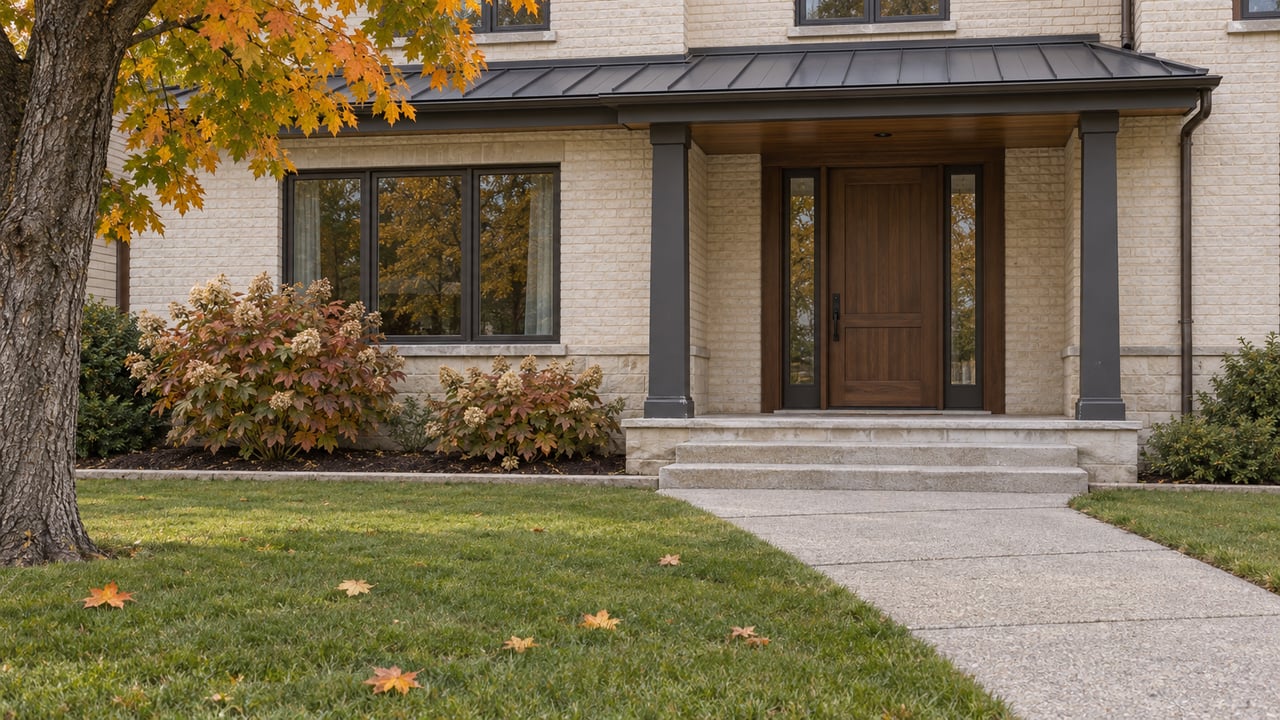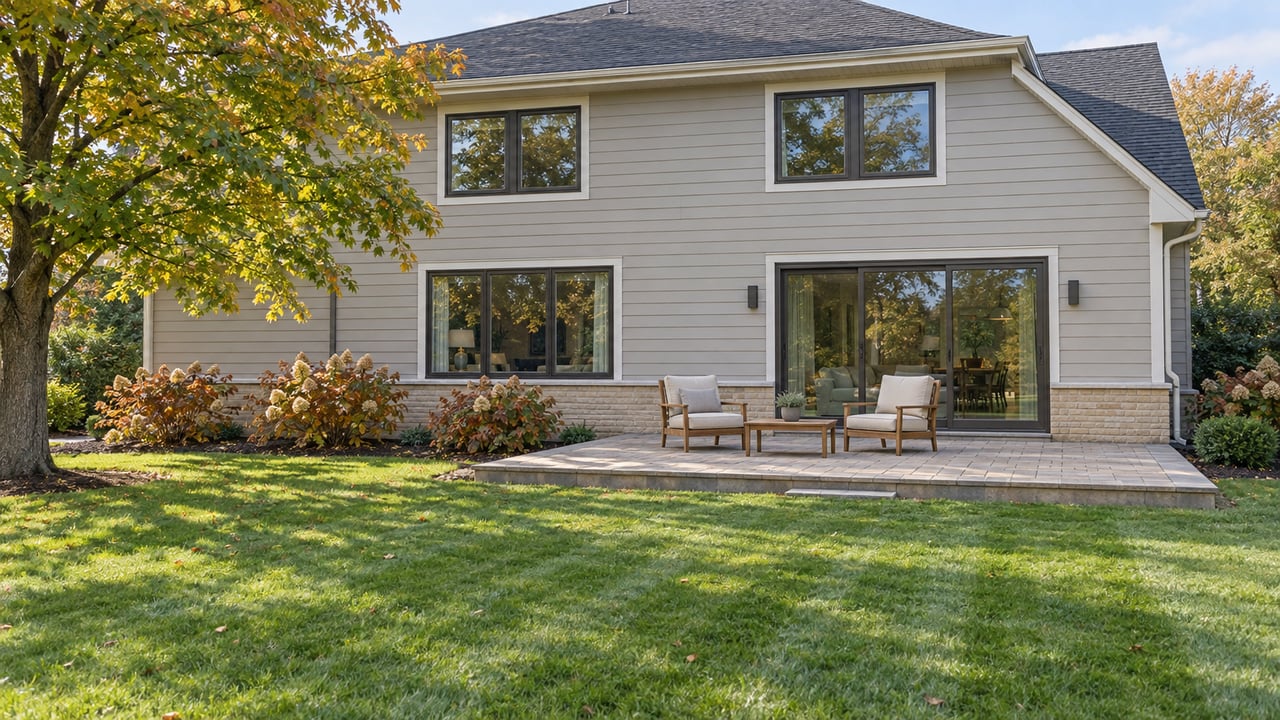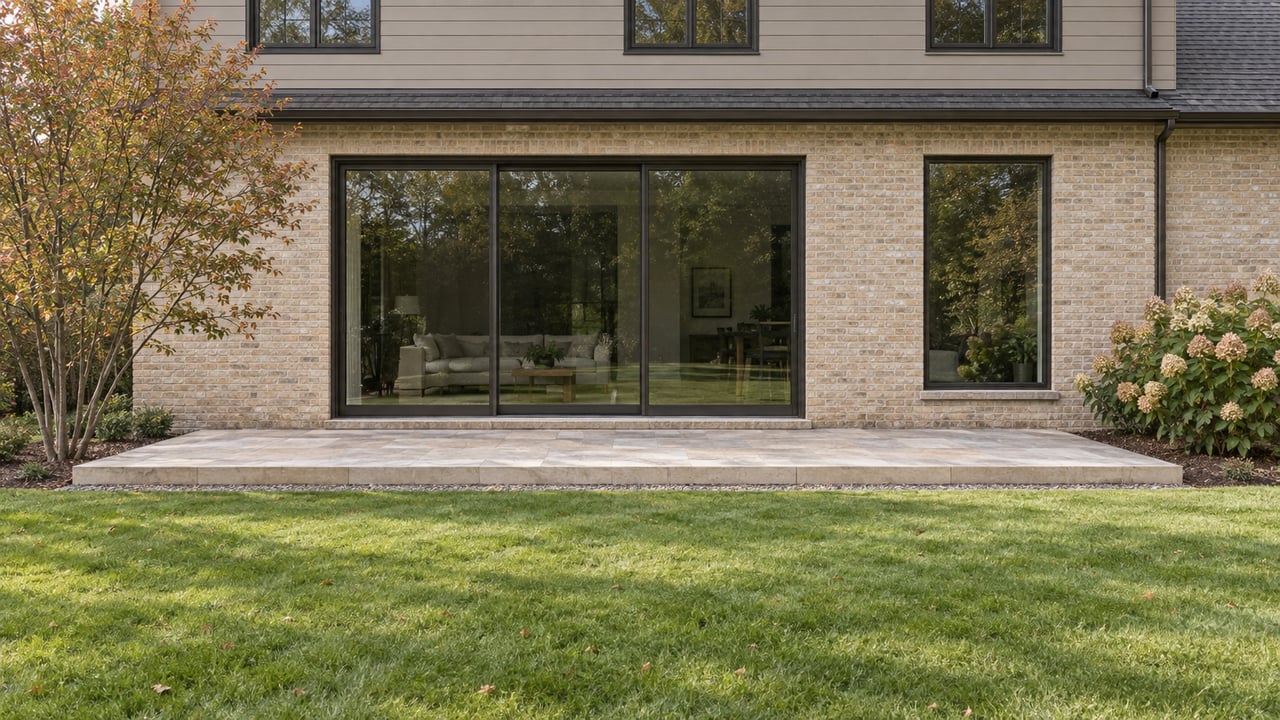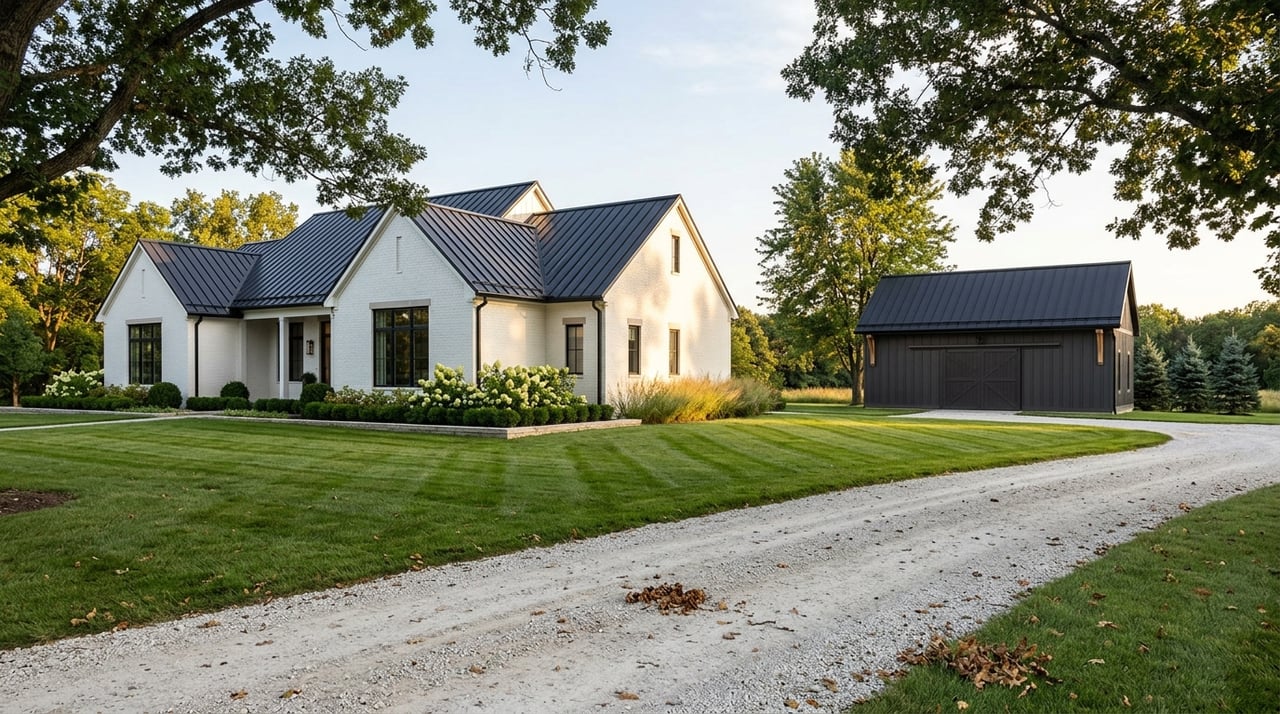
If you own acreage or an estate property in New Lenox, you already know it does not fit neatly into the same box as a typical suburban listing. Extra land, outbuildings, privacy, and utility details can add real value, but only when the property is positioned the right way from the start. When you understand how zoning, jurisdiction, and presentation shape buyer perception, you can protect your equity and attract the right kind of demand. Let’s dive in.
Why acreage needs custom positioning
Acreage and estate properties in New Lenox are not just larger homes on larger lots. They are often tied to specific zoning rules, frontage requirements, utility considerations, and permitted uses that directly affect how buyers view value. That is why smart positioning starts with the land itself, not just the interior finishes.
New Lenox zoning is especially important here. The village code includes both an A agricultural district and an E low-density estate district, and the official zoning map controls where those districts apply. If a property sits near the edge of town, you may also need to confirm whether it falls under village rules or unincorporated Will County classification before pricing or marketing begins.
That distinction matters because county land may be labeled differently, including Agricultural and Residential Rural Estate classifications. A property that looks similar from the road can have a very different legal and market story depending on where the line is drawn. For sellers, that means accuracy comes before advertising.
Start with zoning and jurisdiction
Before you market an acreage property, verify exactly what you own from a land-use perspective. In New Lenox, any area not shown on the official zoning map is treated as R-1 unless a valid pre-annexation agreement applies. That makes a zoning check one of the first steps in protecting value.
If your property is in the A agricultural district, the permitted uses are broad and specific. The code includes farming, horticulture, forestry, crop and tree farming, gardening, dairy farming, stock raising, horse breeding, domestic animals, poultry raising, and sales of agricultural products produced on the premises. That creates a very different buyer pool than a standard residential listing.
The A district also has meaningful physical standards. It is built around a 10-acre minimum lot area, 660-foot minimum lot width, a 100-foot setback from the road centerline, and a floor-area-ratio cap of 0.2. Those details help explain why a true acreage listing should be marketed as a regulated land asset, not simply a big home with open space.
If your property is in the E low-density estate district, the message changes. This district is described as quiet, low-density residential land, with a minimum lot area of 65,340 square feet, minimum lot width of 150 feet, a 75-foot front yard, 20-foot side yards, a 60-foot rear yard, and a 40 percent lot coverage cap. In plain terms, estate zoning supports a privacy-and-space story more than an agricultural one.
Price with the full property story
Broad market numbers can help set context, but they should not be the whole pricing strategy for acreage. In May 2026, Redfin reported a New Lenox median sale price of $464,722 and median days on market of 43. Zillow estimated an average home value of $454,415, and Realtor.com reported a 60451 median listing price of $470K with a 100% sale-to-list ratio in May 2026.
Those figures show an active market, but they are all-property benchmarks, not acreage-only comps. If you price an estate or land-rich property like a standard subdivision home, you risk missing the premium tied to usable land, frontage, privacy, and special improvements. On the other hand, if you claim value without support, buyers may hesitate.
The goal is to connect price to facts buyers can understand. That may include zoning, lot dimensions, outbuildings, access, utility setup, and how the land can actually function. The stronger and more documented that story is, the easier it becomes to justify a premium beyond typical suburban comparisons.
Gather documents before you list
For acreage and estate properties, pre-listing preparation can shape the entire negotiation. Buyers often ask deeper questions earlier, especially when the property includes a barn, shop, fenced area, private well, septic system, or a long driveway. If you can answer those questions clearly, you reduce uncertainty and strengthen your position.
A strong document package may include:
- Current survey or plat
- Zoning verification
- Permit history
- Utility information
- Septic permits and pumping records
- Well test history
- Repair records for site improvements
- Information on access, frontage, and drive approach
This matters in New Lenox because subdivision and utility standards can materially affect value. The village rules say lots between one and five acres need 150 feet of frontage or frontage equal to 40 percent of lot depth, whichever is greater. They also say lots of 40,000 square feet or more without public sewer or central water supply require individual wells and septic systems or surety bonds guaranteeing those installations.
In other words, frontage and utility details are not side notes. They can influence financing, future land division, and how the property should be positioned in the market.
Pay close attention to well and septic details
Rural and semi-rural properties often rise or fall on utility confidence. In Will County, the health department states that septic permits are issued under the county ordinance and the Illinois private-sewage code, and that a soil evaluation is used to determine the appropriate system. That means buyers will often want clarity on the age, condition, and compliance history of the system.
The county also recommends that private wells be analyzed for bacteria at least once every year. If you have records that show ongoing maintenance and testing, that can help reduce buyer concern. If you do not, it may create extra friction during due diligence.
For sellers, the practical takeaway is simple. Collect what you have before the home hits the market, and be ready to explain the systems in plain language. That level of preparation can help keep negotiations focused on value instead of uncertainty.
Build a land-first marketing strategy
The most effective acreage marketing starts with a simple shift in mindset. You are not selling square footage alone. You are selling land plus improvements plus lifestyle utility.
That story should explain what the land actually supports. Depending on the property and zoning, that may include horses, equipment storage, gardening, multigenerational use, future outbuildings, privacy buffers, or a lower-density setting. Buyers need help seeing the purpose behind the acreage.
This is where generic listing tactics often fall short. A few interior photos and a short property description will not fully communicate how a long drive, tree lines, paddocks, detached structures, or open usable ground contribute to value. Acreage buyers tend to think visually and practically, so the marketing needs to do the same.
Use visuals that make the land legible
For New Lenox acreage and estate homes, drone photography and aerial video are especially useful. Zoning boundaries, frontage, tree lines, ponds, drive access, pasture areas, and outbuildings can be hard to understand from ground-level images alone. Aerial assets help buyers make sense of the whole property faster.
Site maps and annotated aerials can also add clarity. In a market where district classification, lot size, and frontage play such a central role, visuals should do more than look polished. They should answer questions before buyers even ask them.
Still photography should support the full story. That means showcasing not just the house, but also the garage, barn, shop, gates, fencing, storage, and the entry sequence from road to residence. Video can be especially effective when it shows how the property flows from one area to the next.
For a brand like the Randi Lynn Group, this type of presentation aligns naturally with a luxury, high-exposure approach. Cinematic marketing, drone content, and polished storytelling are not just aesthetic upgrades here. They are strategic tools that help buyers understand why the property stands apart.
Pre-answer the questions buyers always ask
Acreage buyers usually want to know the same core things early in the process. If you can answer them up front, your listing feels more credible and easier to pursue. That can improve both showing quality and negotiation strength.
Common buyer questions include:
- Can the property support horses, livestock, or agricultural use?
- Is the land in village limits or unincorporated Will County?
- Can the parcel be divided in the future?
- What are the frontage and lot-dimension requirements?
- Does the property have public utilities, a private well, or a septic system?
- Are there permits and maintenance records for major site improvements?
- Are there any drainage, access, or disclosure issues to know about?
Not every property will have simple answers, and that is okay. What matters is that the listing position matches what can actually be verified. Clear, fact-based answers build trust and keep a great property from being discounted because of avoidable confusion.
Stay ahead of disclosure issues
Illinois law requires the seller to deliver the Residential Real Property Disclosure Report before the contract is signed. If a new material defect arises before closing, the seller must supplement that disclosure. For acreage and estate homes, this conversation should go beyond the main house.
You should think about barns, shops, wells, septic systems, drainage, access, and other site improvements that may materially affect a buyer’s decision. The goal is not to create alarm. The goal is to handle known issues clearly so they do not become bigger problems later.
That level of transparency also supports stronger positioning. Buyers tend to respond better when a seller appears organized, informed, and direct. In a more complex property category, that can be a real advantage.
A smart framework for New Lenox sellers
If you are preparing to sell acreage or an estate property in New Lenox, a clear framework helps keep the process focused. The strongest approach is to treat the property as a regulated, story-driven asset from day one.
A practical seller framework looks like this:
- Verify zoning and jurisdiction.
- Gather survey, plat, permit, utility, well, and septic records.
- Determine whether the property is best positioned as estate residential, agricultural, or possible split potential.
- Build a land-first narrative tied to actual use and value.
- Launch with professional photography, drone media, video, and site-plan support.
- Pre-answer questions on access, maintenance, utilities, and permitted use.
This process protects more than just presentation. It helps protect your leverage. When the legal and physical details are clear, buyers can focus on the opportunity instead of the unknowns.
If you want to position a New Lenox acreage or estate property with the level of strategy it deserves, working with a team that understands luxury presentation, land value, and niche buyer behavior can make a meaningful difference. Connect with Randi Quigley to start with a clear plan and a stronger market story.
FAQs
What makes acreage properties in New Lenox different from standard homes?
- Acreage properties often involve zoning, frontage, utility, access, and permitted-use issues that do not apply in the same way to a typical suburban home.
What zoning matters most for acreage in New Lenox?
- The A agricultural district and E low-density estate district are especially important because they shape permitted uses, lot standards, setbacks, and how the property should be marketed.
What should sellers verify before listing an estate property in New Lenox?
- Sellers should verify zoning, jurisdiction, survey details, frontage, utility setup, permit history, and records for wells, septic systems, and site improvements.
Can buyers keep horses or livestock on New Lenox acreage?
- In the A agricultural district, the code expressly contemplates horse breeding, stock raising, domestic animals, and poultry, while other districts require separate verification of the exact zoning classification.
Do private wells and septic systems affect the sale of a New Lenox acreage home?
- Yes, because buyers often want maintenance records, permit history, and testing information, and Will County requires septic permitting while recommending annual bacteria testing for private wells.
Do Illinois disclosure rules apply to land improvements on estate properties?
- Yes, sellers must provide the residential disclosure report before contract signing and supplement it before closing if new material defects arise, including issues tied to site improvements that materially affect the property.