If you are selling a farm or equestrian property near Manhattan, IL, you already know this is not a typical home sale. Buyers are not just looking at the house. They are looking at acreage, zoning, barns, utilities, land quality, and whether the property truly fits their goals. That is why a smart sale starts with clarity. In this guide, you will learn what makes these properties different, what details can affect price and buyer demand, and how to position your property for a stronger result. Let’s dive in.
Why these properties need a different strategy
A farm or horse property near Manhattan can attract several kinds of buyers at once. Some are focused on agricultural use. Others want a lifestyle property with room for horses, privacy, or acreage. Some may also be evaluating the land for long-term flexibility because Will County continues to grow and county staff review zoning, setbacks, and proposed uses where applicable.
That mix of buyer motivations is exactly why generic listing tactics often fall short. If your marketing only highlights the home, you may miss the buyer who cares most about fields, barns, fencing, or permitted use. If your pricing only looks residential, you may ignore the value of the land itself.
Zoning matters more than many sellers expect
For Manhattan-area acreage, legal use is part of the value story. In Manhattan’s A-1 Agricultural District, the village allows agriculture broadly, including farming, dairying, pasturage, and animal husbandry. The district also permits gardening and general farming, poultry and livestock, and one farm homestead for each 40 acres.
The same district allows accessory barns and stables for the exclusive use of occupants. It also includes standards such as a 10-acre minimum lot area, 300-foot minimum width, 50-foot front-yard setbacks, 40-foot side and rear setbacks, and height limits of 35 feet for principal structures and 20 feet for accessory structures. If your property falls under village jurisdiction, those details can shape both buyer interest and future-use expectations.
If the parcel is outside village limits or under county jurisdiction, different review standards may apply. Before you list, it is important to confirm exactly where the property sits and which authority governs it. That one step can prevent confusion later and helps you market the property accurately from day one.
Rural expectations should be addressed early
Buyers coming from more suburban areas may not fully understand what rural living can involve. Will County materials note that normal agricultural practices may create odors, dust, noise, visible farm activity, and unusual hours of operation that are not typical in other settings.
That does not need to be framed as a negative. It simply means your listing should set expectations clearly and honestly. When buyers understand the environment, they are more likely to feel confident about whether the property is the right fit.
Start with pre-listing diligence
The strongest farm and equestrian listings are usually the ones that answer key questions before buyers ask them. Pre-listing diligence can widen your buyer pool, reduce uncertainty, and protect your negotiating position.
Confirm assessed value versus market value
One common mistake is assuming the tax bill tells you what the land is worth. In Illinois, farmland assessment does not work like standard residential assessment. The Illinois Department of Revenue says farmland is assessed using Bulletin 810 soil types and productivity indices, while farm homesites and dwellings follow the regular assessment and equalization process.
In simple terms, assessed value is not the same as market value. If you are pricing acreage, you need a more complete view of what the land can support, how it is used, and how buyers will evaluate it.
Understand soil productivity
For agricultural land, soil productivity can have a real effect on value. Illinois Extension explains that the soil productivity index, or PI, ranges from 1 to 147, with higher numbers showing stronger productivity.
That means two properties with the same number of acres may not command the same price. Better soils, better drainage, stronger field shape, and more usable acreage can all support a different pricing strategy.
Review agricultural-area status
If your land is enrolled in an Agricultural Area, that should be part of the sale conversation. Will County and the Illinois Department of Agriculture describe these as voluntary protected districts where enrolled land must remain in agricultural use for at least 10 years.
This does not automatically make a property harder to sell, but it does affect how the asset should be explained to buyers. If this status applies, it is important to gather the relevant records early and present them clearly.
Gather well and septic records
Private wells and septic systems are major diligence items on rural property. The Illinois Department of Public Health regulates private sewage disposal systems and the construction, modification, and sealing of water wells other than community water wells. Illinois EPA says private well owners are primarily responsible for testing, and IDPH says owners are responsible for proper maintenance and regular testing.
For sellers, documentation matters. Old permits, inspection reports, water test results, pump records, septic layouts, and repair invoices can make a real difference in buyer confidence.
Check for added review triggers
If your property includes expanded improvements, confirm whether additional approvals may apply. Manhattan’s code states that development involving special-use permits or paved areas over certain thresholds must follow site-plan approval, and its stormwater rules specifically flag equestrian facilities and certain commercial agricultural activities for compliance.
This is especially important if the property includes a commercial boarding setup, large parking areas, or more intensive improvements. The more clearly you can define what exists and how it has been used, the better.
Build a listing package that answers questions
A strong listing package helps buyers understand what is functional, included, compliant, and optional. This matters even more when your likely buyer may be coming from outside the immediate Manhattan area.
Useful materials often include:
- parcel map and aerial views
- acreage breakdown by use
- soil or crop history if available
- barn, arena, and fence inventory
- utility information
- well and septic documentation
- lease terms if any ground is rented
- list of fixtures, equipment, or improvements included in the sale
When buyers can quickly understand the asset, they are less likely to hesitate. That clarity can support stronger showings and more serious conversations.
Presentation still matters on acreage
Even when the land is the star, presentation still shapes buyer perception. According to the National Association of Realtors’ 2025 staging report, 29% of agents said staging produced a 1% to 10% increase in the dollar value offered, and 49% said staging reduced time on market. The same report found that 83% of buyers’ agents said staging helps buyers visualize the property as their future home.
For a farmhouse or residence, buyers tend to focus most on the living room, primary bedroom, and kitchen. Clean, bright, well-edited spaces help the whole property feel more valuable and easier to understand.
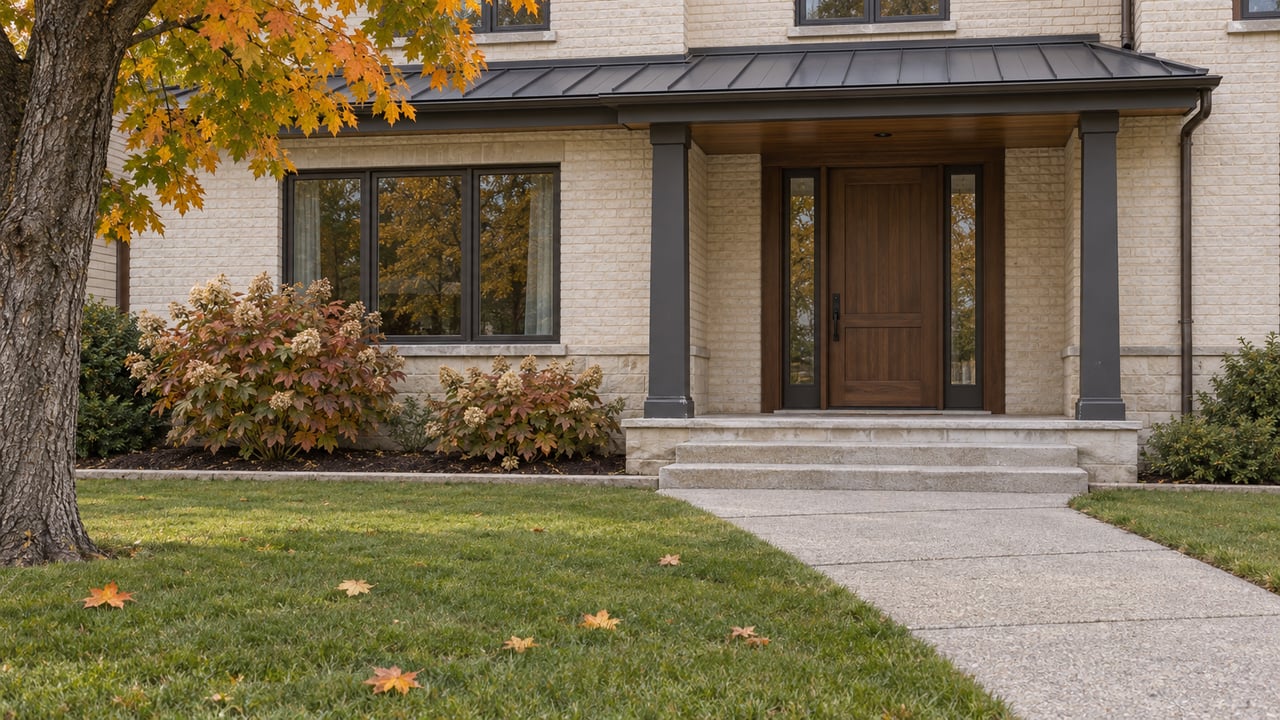
Curb appeal also carries weight. NAR reports that strong curb appeal can raise perceived value by as much as 7%. On a farm or equestrian property, that usually means mowed edges, neat driveways, working gates, maintained fence lines, tidy barn exteriors, and a property path that feels easy to follow.
Organize showings for safety and flow
A working property does not need to look empty. It needs to look orderly. Buyers should be able to walk the property without confusion, safety concerns, or visual clutter.
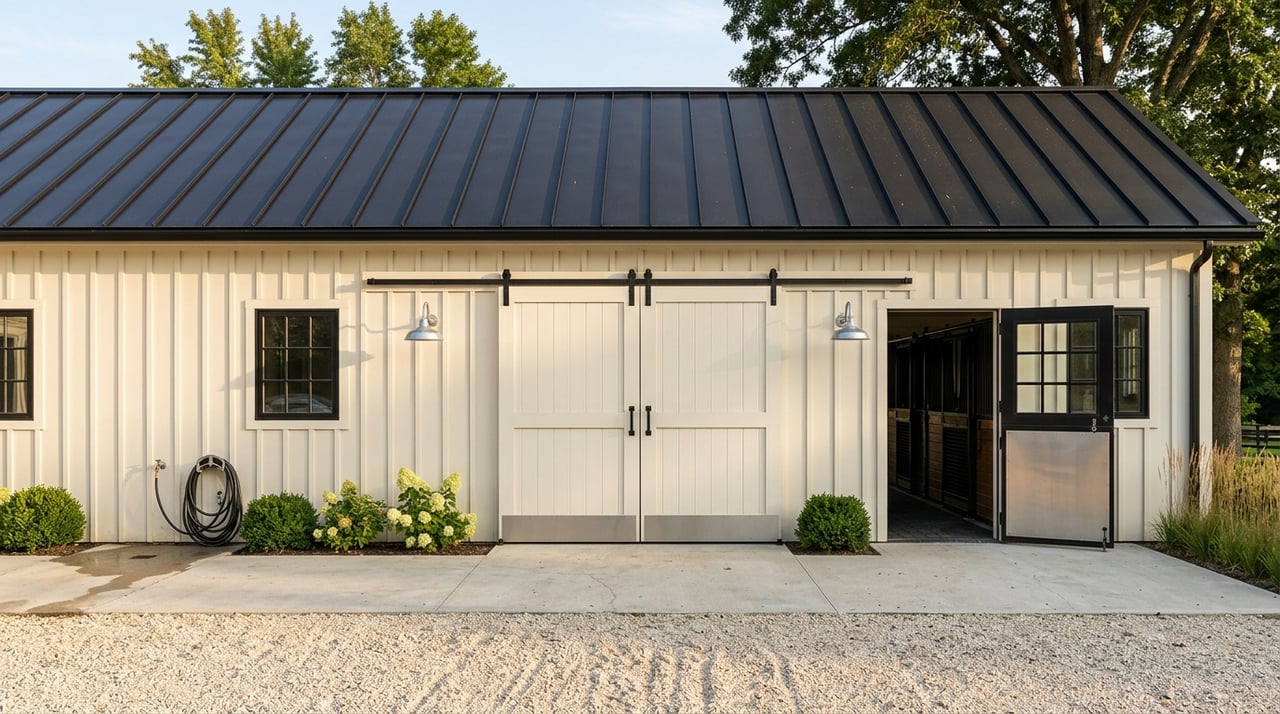
That usually means equipment parked neatly, manure areas controlled, barns well lit, tack and feed put away, paddocks accessible, and active work scheduled around showings when possible. You want buyers to see that the property is functional and well managed.
Price in layers, not as one number
One of the biggest pricing mistakes with farm and equestrian properties is blending everything together too loosely. A better approach is to think in layers.
Layer one: land value
Start with the agricultural value of the land. Soil PI, drainage, usable acreage, field shape, and access all matter here.
Layer two: improvement value
Then look at the improvements. That includes the residence, barns, sheds, fencing, arenas, water systems, and access drives.
Layer three: lifestyle premium
Finally, consider whether the property may command a lifestyle premium. Buyers may pay more for privacy, horse setup convenience, scenic appeal, or proximity to suburban amenities.
This layered method matters because farmland value and lifestyle demand do not always move the same way. A property can have strong appeal, but buyers may still be careful on pure production-land pricing.
What current market data suggests
Recent Illinois data shows both stability and caution. University of Illinois farmdoc analysis reported the average Illinois farm real estate value in 2025 at $8,930 per acre, up 2.6% from 2024.
At the same time, the Federal Reserve Bank of Chicago reported that in the first quarter of 2026, Seventh District agricultural land values were 3% higher than a year earlier, but good farmland values slipped 1% from the prior quarter, and Illinois cash rents were down 1% for 2026.
Illinois Extension also found that 49% of surveyed professionals expected farmland values to decline by up to 5% in 2025, while 93% expected the farm economy to contract modestly. That tells you something important as a seller: buyers may still be active, but they may also be more price-sensitive than many owners expect.
The buyer pool may be narrower and more informed
Illinois Extension reported that most farmland buyers in 2024 were local farmers at 57%, followed by local investors at 17% and non-local investors at 13%. That pattern matters near Manhattan because many sellers assume the broad residential market will automatically carry the sale.
Sometimes it will not. Farm and equestrian buyers often ask more detailed questions, compare land more carefully, and look closely at functionality. Your marketing and pricing need to meet that level of scrutiny.
Sale structure matters too
Not every property should be sold the same way. Illinois Extension noted that 53% of farmland sold in 2024 went through public auction, 27% through private treaty, and 17% through multi-parcel auction.
That does not mean auction is always the right path. It does mean the sale method should fit the property, your timeline, and the type of demand you want to create. Some properties benefit from broad exposure and urgency. Others perform better with a more controlled strategy.
What strong representation should look like
Selling a farm or equestrian property near Manhattan requires more than attractive photos and a sign in the yard. You need a team that can explain zoning, separate residential value from land value, coordinate acreage documentation, and present the property in a way that makes sense to both lifestyle buyers and land-minded buyers.
That is where specialized local knowledge matters. With luxury-level marketing, polished presentation, and real agricultural fluency, the right team can tell the full story of your property instead of reducing it to bedroom count and square footage.
If you are preparing to sell acreage, a farm, or an equestrian estate near Manhattan, the goal is simple: bring clarity to the property, confidence to the buyer, and strategy to every decision. When you are ready for that kind of guidance, connect with Randi Quigley.
FAQs
What should sellers know about zoning for farm property near Manhattan, IL?
- Sellers should confirm whether the property is under Village of Manhattan or Will County jurisdiction and verify the current zoning district, permitted uses, setbacks, and any limits that affect barns, stables, livestock, or future use.
How is farmland value different from assessed value in Illinois?
- Illinois farmland is assessed using soil types and productivity indices, so the assessed value on the tax bill does not necessarily reflect the market value a buyer may pay for the land.
What documents help sell an equestrian property in Will County?
- Useful documents can include parcel maps, aerials, well and septic records, barn and fence details, acreage breakdowns, lease information, utility records, and lists of what improvements or equipment are included.
What affects the price of a farm near Manhattan, IL?
- Price can be influenced by soil productivity, drainage, usable acreage, field shape, zoning, the value of the house and outbuildings, and any lifestyle appeal such as privacy or horse-ready improvements.
Should sellers prepare a farmhouse before listing acreage property?
- Yes. Staging and clean presentation can help buyers better visualize the home, while strong curb appeal, tidy barns, and organized outdoor areas can improve the overall impression of the property.